Benefits of Social Media in Marketing in 2026

Introduction
Having a great product is useful, but what happens when nobody knows your business exists? Even the best products need visibility to attract customers. This is where social media in marketing becomes important.
Platforms such as Instagram, Facebook, LinkedIn, and YouTube help businesses connect with potential customers, share useful information, and promote their services. In 2026, social media is more than a place to post pictures and wait for likes. It can support brand awareness, customer relationships, lead generation, and sales.
However, thousands of followers do not automatically mean thousands of customers. A clear strategy, relevant content, and proper performance tracking make the difference.
Table of Contents
What Is Social Media Marketing?
Seven Benefits of Social Media Marketing
How to Choose the Right Platform
Common Mistakes to Avoid
Frequently Asked Questions
Conclusion
What Is Social Media Marketing?
Social media marketing involves using social platforms to promote products, share information, communicate with customers, and achieve business goals.
It includes organic activities, such as publishing educational posts, and paid advertising campaigns designed to reach specific audiences.
For example, a local clothing store might publish styling videos on Instagram and run Facebook advertisements for a seasonal sale.
The goal is not simply to post regularly. Every activity should support a clear purpose, such as attracting potential customers, generating enquiries, or increasing sales.
Seven Benefits of Social Media Marketing
1. Increases Brand Awareness
Social media helps businesses introduce themselves to people who may not have discovered them otherwise.
For example, a bakery can publish short videos showing how its cakes are prepared. Viewers may share those videos with friends, introducing the business to new audiences.
Practical tip: Share educational content, product demonstrations, and behind the scenes videos that show what makes your business different.
2. Generates Leads and Sales
Social media can help businesses turn audience interest into potential enquiries and purchases.
Imagine a digital marketing agency publishing a video about common SEO mistakes. Interested business owners might visit its website and complete a consultation form.
That interaction creates an opportunity to generate a qualified lead.
Paid advertising can support this process by directing relevant audiences to landing pages or product listings.
Practical tip: Give every campaign a clear next step, such as requesting a quotation, booking a consultation, or purchasing a product. Track conversions instead of measuring success through clicks alone.
3. Improves Customer Engagement
Social media gives customers a convenient way to ask questions, share feedback, and communicate directly with businesses.
These conversations also help companies understand customer concerns.
For instance, if customers repeatedly ask how to use a product, a business can create a tutorial explaining the process.
Useful responses can improve the customer experience and provide ideas for future content.
Practical tip: Reply to comments and messages consistently. Address genuine concerns instead of sending generic responses that leave customers with the same unanswered questions.
4. Supports Cost Effective Marketing
Businesses can use organic content and paid advertising according to their budgets.
Organic publishing allows businesses to distribute content without paying for every impression, although content creation requires time and resources. Paid campaigns provide additional control over audience targeting and advertising expenditure.
For example, a small business might test educational content before investing in advertisements promoting its most useful resources.
However, advertising is not automatically inexpensive. Poor targeting and weak landing pages can waste money quickly.
Practical tip: Establish a budget, define campaign objectives, and monitor cost per lead or cost per acquisition where appropriate.
5. Provides Valuable Audience Insights
Social media analytics help marketers understand which topics attract attention and which content encourages meaningful actions.
Metrics such as reach, engagement, profile visits, website clicks, and conversions can reveal useful patterns.
For example, a company might discover that tutorial videos generate more qualified enquiries than promotional graphics. It can then adjust its content strategy accordingly.
Practical tip: Review performance regularly and compare similar content over consistent periods. Choose metrics according to your marketing objectives rather than focusing exclusively on likes.
6. Builds Customer Trust
Customers often research businesses before making purchasing decisions. Social media gives companies an opportunity to demonstrate their knowledge, explain their processes, and answer questions.
A web development agency, for example, could publish website optimization tips or explain how it approaches an e commerce project.
Such content helps potential customers understand the service before contacting the agency.
Trust also requires honesty. Fake testimonials and unrealistic promises can damage a brand’s credibility.
Practical tip: Share genuine customer feedback with permission, explain your services clearly, and support performance claims with evidence.
7. Helps Businesses Stay Competitive
Social media provides opportunities to observe customer discussions, industry trends, and competitors’ public content.
These observations can help businesses identify unanswered questions and develop relevant content.
For example, a fitness studio might notice that beginners frequently ask about simple exercise routines. It could create educational videos addressing those concerns.
The goal is not to copy competitors. It is to understand customer needs and provide something useful.
Choosing the Right Social Media Platform
Different platforms serve different purposes.
| Platform | Suitable Marketing Activities |
|---|---|
| Visual content, product discovery, and community engagement | |
| Local promotion, community building, and advertising | |
| Professional content and business to business marketing | |
| YouTube | Tutorials, demonstrations, and educational videos |
| Visual inspiration and product discovery |
Choose platforms according to your audience, available resources, and marketing objectives. A platform with millions of users is not necessarily the right choice for your business
Common Social Media Marketing Mistakes
Businesses often make several avoidable mistakes.
Chasing followers: A large audience is less valuable when its members are unlikely to become customers.
Posting without a strategy: Content should educate, inform, build trust, or support a business objective.
Ignoring customer feedback: Unanswered questions can weaken customer confidence.
Expecting instant results: Brand recognition and customer relationships often require consistent effort.
Ignoring conversion tracking: Without reliable measurement, businesses cannot confidently evaluate campaign performance.
Avoiding these mistakes helps create a more focused marketing strategy.
Frequently Asked Questions
The main benefits include brand awareness, customer engagement, lead generation, website traffic, audience insights, and opportunities to increase sales.
It helps businesses communicate with customers, distribute content, understand audience interests, and support paid and organic marketing activities.
The best platform depends on your audience and objectives. Instagram may suit visual brands, LinkedIn may suit business services, and YouTube may suit educational content.
Yes. It can introduce products to potential customers, generate enquiries, and direct interested audiences to purchase pages. Actual results depend on several business and marketing factors.
Conclusion
The benefits of social media marketing extend beyond likes and followers. When supported by a clear strategy, social media can increase brand awareness, generate leads, strengthen customer relationships, and support business growth.
Businesses should focus on useful content, relevant audiences, honest communication, and measurable outcomes.
Ultimately, successful marketing is not about posting more frequently. It is about giving the right people a reason to notice your business and trust what you offer.
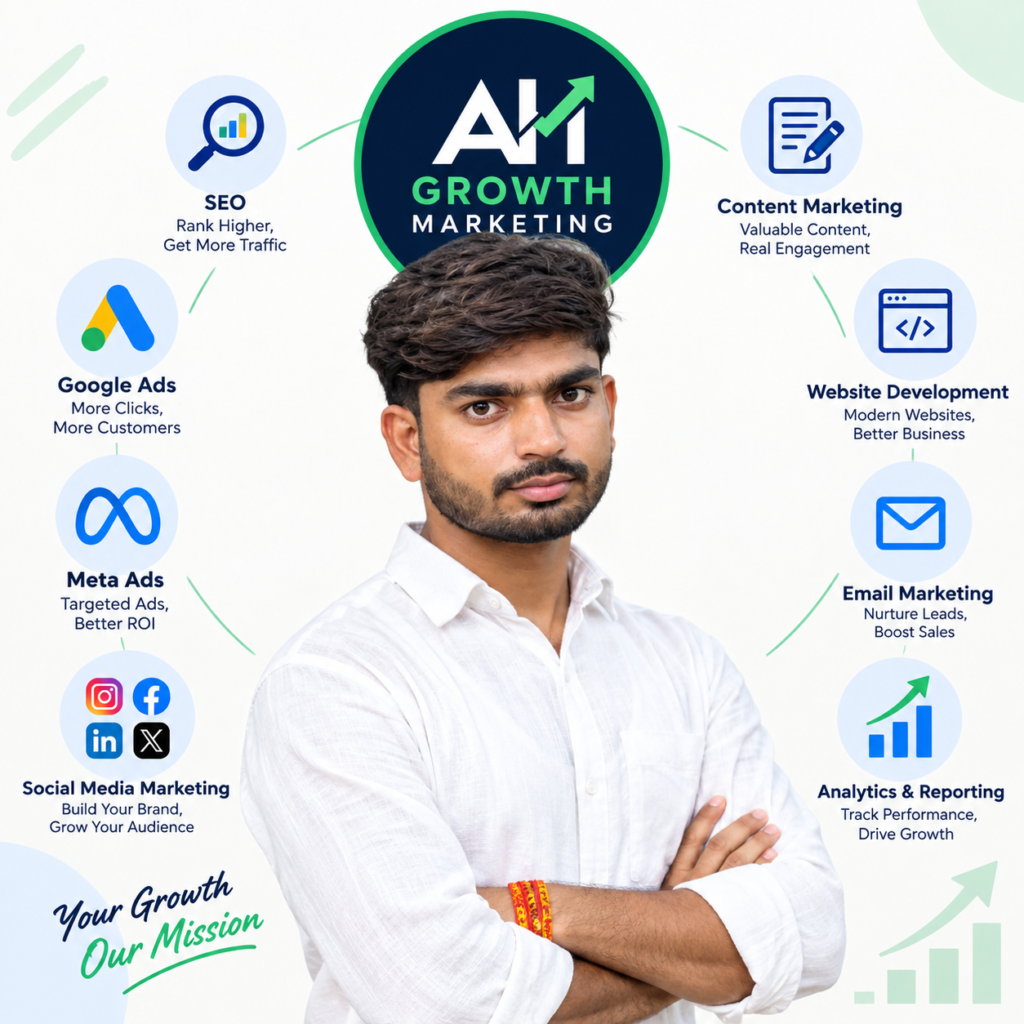
Want to improve your online visibility and marketing performance? Explore AH Growth Marketing for practical insights into SEO, performance marketing, and strategies that help businesses reach relevant audiences.