How to Choose the Right Digital Marketing Agency

Introduction
Choosing the right digital marketing agency can be difficult, especially when every agency promises more traffic, better leads, and faster growth. The problem is that impressive promises do not always lead to impressive results.
A good digital marketing agency should understand your business, identify your target audience, and create a strategy that supports your goals. Whether you want better Google rankings, more qualified leads, or profitable advertising campaigns, the agency you choose can affect how effectively you use your marketing budget.
Before signing a contract, look beyond attractive presentations and big promises. Focus on experience, transparency, communication, and a clear plan.
Table of Contents
-
Define Your Marketing Goals
-
Check Experience and Expertise
-
Review Case Studies and Results
-
Understand the Services Offered
-
Evaluate Reporting and Communication
-
Watch Out for Warning Signs
-
Frequently Asked Questions
-
Conclusion
1. Define Your Marketing Goals
Before searching for an agency, decide what you want to achieve.
Different businesses have different marketing needs. An online store may want more purchases, while a local service provider may need phone calls and qualified enquiries.
Your goals might include:
Improving organic search rankings
Generating qualified leads
Increasing website traffic
Improving social media engagement
Increasing online sales
Reducing the cost of acquiring customers
For example, if your website receives traffic but generates very few enquiries, you may need better landing pages and conversion rate optimization rather than simply more traffic.
Practical tip: Set a measurable goal before contacting agencies. This makes it easier to judge whether their proposed strategy fits your business.
2. Check Experience and Expertise
Not every agency is equally skilled in every marketing channel. Some specialize in search engine optimization, while others focus on paid advertising, social media, or website development.
Look for an agency that understands your specific requirements.
Ask questions such as:
Have you worked with businesses similar to mine?
Which marketing channels would you recommend and why?
How will you measure progress?
Who will manage my campaigns?
How often will we review performance?
A reliable agency should explain its recommendations in simple language. If the team cannot explain why a strategy suits your business, be cautious about accepting its proposal.
3. Review Case Studies and Results
A professional presentation is useful, but evidence is more valuable.
Ask the agency to share relevant case studies, campaign examples, or performance reports. Look for information about the original problem, the strategy used, the time period, and the outcome.
For example, an SEO case study might show how a website improved its rankings for relevant search terms and gained qualified organic traffic over several months.
For paid advertising, useful metrics include cost per lead, conversion rate, customer acquisition cost, and return on ad spend.
Remember that results depend on factors such as competition, budget, website quality, and the offer being promoted. Past performance does not guarantee future results.
4. Understand the Services Offered
The Best digital marketing agency for your business is not necessarily the one offering the most services. It is the one that can identify which services you actually need.
Common services include:
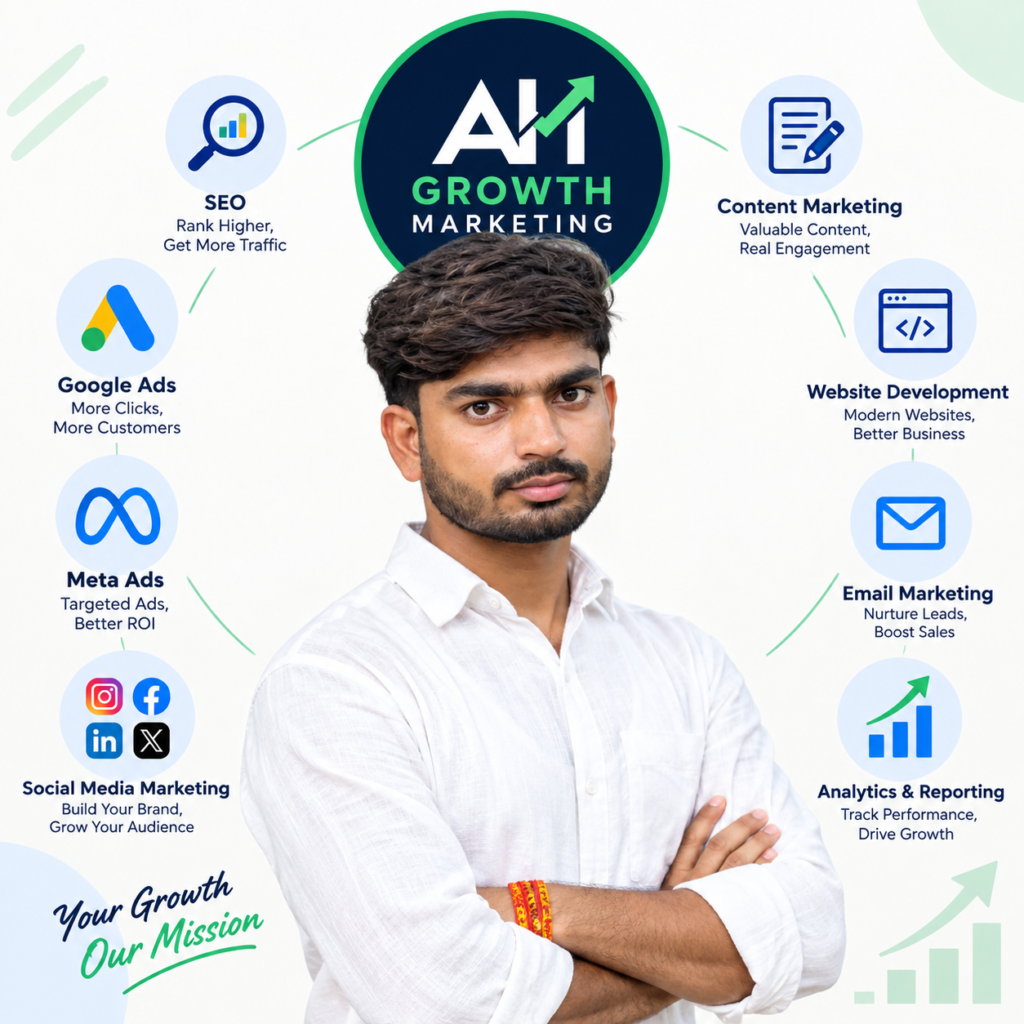
Search Engine Optimization: Helps improve organic visibility in search engines.
Pay Per Click Advertising: Uses paid campaigns to reach potential customers through platforms such as Google Ads.
Social Media Marketing: Builds brand awareness and connects businesses with relevant audiences.
Content Marketing: Uses useful articles, guides, and other content to attract and educate potential customers.
Website Development: Creates a website that supports user experience, marketing campaigns, and conversions.
You do not always need every service at once. A focused strategy is often more useful than spreading a limited budget across too many channels.
5. Evaluate Reporting and Communication
Marketing decisions should be based on useful data rather than vague claims.
Ask how often the agency provides reports and which metrics it tracks. The reporting should connect marketing activity with your business objectives.
For example, a business focused on lead generation should understand how many enquiries were generated, how much each lead cost, and whether those leads were relevant.
You should also know who your main contact will be and how frequently you can discuss progress.
Clear reporting helps you understand what is working, what needs improvement, and where your budget is going.
6. Watch Out for Warning Signs
Be careful if an agency:
Guarantees a number one Google ranking.
Promises instant results from SEO.
Refuses to explain its strategy.
Shows results without supporting evidence.
Hides advertising costs or contract terms.
Controls your website or advertising accounts without giving you access.
Focuses on vanity metrics without discussing business outcomes.
SEO usually requires time, and advertising performance depends on several factors. An honest agency explains risks, limitations, and realistic expectations instead of promising results it cannot control.
Frequently Asked Questions
Identify your goals, check the agency’s relevant experience, review its evidence of results, compare pricing, and make sure its reporting process is transparent.
Costs depend on the services required, campaign size, competition, and agency expertise. Request a detailed proposal that separates service fees from advertising spend.
Choose an SEO agency if organic search is your main priority. Consider a full service agency if you need coordinated support across several marketing channels.
Paid advertising can generate traffic soon after a campaign launches, although profitable performance may take testing and refinement. SEO often takes several months to show meaningful progress, depending on the website and competition.
Ask about its strategy, relevant experience, reporting, pricing, contract terms, account ownership, and how it measures success.
No agency can honestly guarantee every marketing outcome. It can explain its approach, set measurable targets, and optimize campaigns, but results depend on multiple factors.
Conclusion
Choosing the right digital marketing agency starts with understanding your own business goals. Look for relevant expertise, verifiable evidence, clear pricing, honest communication, and a strategy built around your target audience.
Do not choose an agency only because it offers the lowest price or makes the biggest promises. Choose one that can explain what it plans to do, why it recommends that approach, and how it will measure progress.
The right partnership should help you make better marketing decisions and understand where your budget is going.
Looking to improve your online visibility, generate qualified leads, or strengthen your marketing strategy? Explore the digital marketing services offered by AH Growth Marketing and identify the areas that best match your business goals.